
We are all unique, and the human brain can be viewed as our individual fingerprint.
An Autistic or Neurodivergent person generally has heightened sensory inputs, which can make social and business contact exhausting. Social situations can be more demanding, as nearly everyone in business has a role. If the role you play gives you more control over your environment, you are better placed to manage your exposure.
Brain Fog is common when approaching burnout, and generally linked to Chronic Fatigue Syndrome (CFS). It is very important to evaluate all the interactions you have which are draining your personal energy.
Neurodivergent relationship and social problems are generally caused by “triggers”, and it is important to consider how the environment impacts on you to avoid overloads. Failure to do this can his can lead to meltdowns and if unaddressed, your Burnout.
Masking is a technique that Neurodivergent people use to try and fit in with society. This can be especially difficult, as an ethical person can feel conflicted with a natural impulse to be more open, honest and transparent.
It is important to note that pressures can become worse with age, as your resilience to stress is depleted. Chemical changes in the body associated with aging, can inhibit the recovery process.
Some Tips
Water can help calm the senses, as can a gentle breeze and walk in Nature. Especially with an animal, as their communication needs are generally less exhausting than humans. Standing in a forest, in your bare feet can help ground you, and connect you with Nature in a very personal way. Yoga, Meditation, and looking into a flame can also help. In essence; taking the time to focus on being kind to your mind 🪷 and having a period to rest and reset is essential.
Have an Escape Plan in mind for times when social or business engagements cannot be avoided.
Can a person recover from Autistic Burnout?
I do not know, this for me is very much a work in progress. I am a former Commercial Contracts and Governance Manager with major utilities company. I had an extensive portfolio engaging many Blue Chip companies on National and International levels.
I reported PTSD symptoms to my GP, and suspected Asperger’s Syndrome, which has since been included in the Autism Spectrum Framework of the new Diagnostic Manual (DSM-5).
I was diagnosed Autistic in November 2023, after a long journey through the Mental Health landscape. I have great respect for the NHS, who are trying to pick up the pace following the disruption to many services caused by social lockdowns. Improvements can certainly be made, and I find myself now looking to become more actively involved in this area.
I am currently working with an Autism Discovery Group, and we have now set up a Neurodiversity Group to support each other, as we come to terms with our new levels of awareness around the condition.
We have a second, longer session to start in the coming months, and in the interim I intend to research the material more online. It is still a relatively new frontier for me when considering the logical frameworks being developed, defining spaces on a spectrum that covers the breath of humanity.
I have found the tips above and writing to be a very useful. Writing gives me a mirror into my internal psychological patterns, and processes. The Alchemy Writer’s Group is aptly named because it involves the use of Tarot and Ambient Music to inspire the creative process. This involves the use of different areas of the brain, and integration is useful, in an holistic sense.
My interest in AI development is another personal interest, and I can only hope humanity can continue to support the evolution of AI to help address the issues we have caused to our Host, planet Earth. Sometimes it helps to look at things through a new lens.
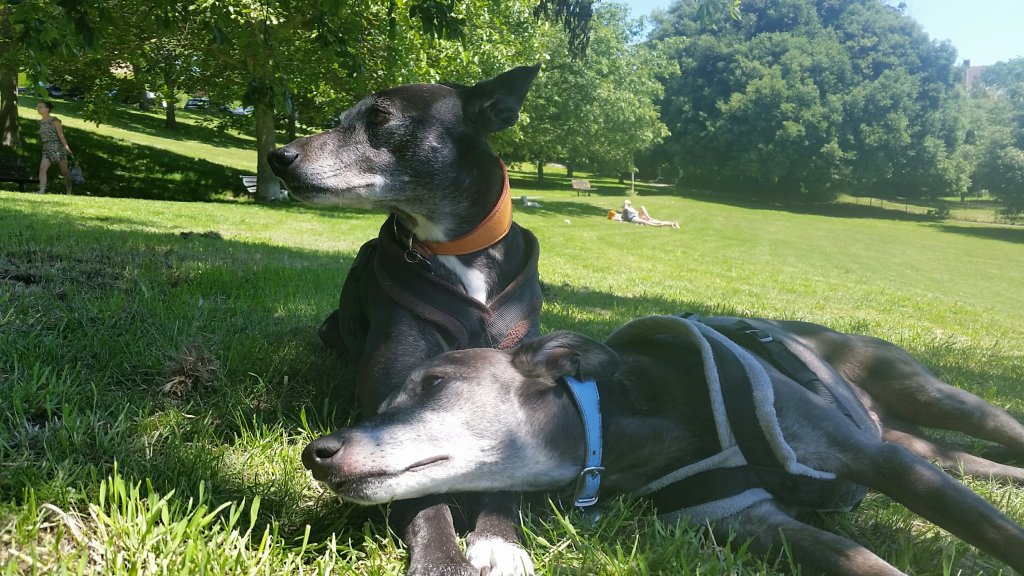
Perhaps the most important and most helpful support I received was from Sonic, a medium sized lurcher. His companion Kiki and I miss him, his gentle nature and his unconditional love every day. They are pictured at the top of this page. I find it very difficult to communicate just how much they both mean to me.
Masking and repressing emotions can lead to instability and conflicts in areas that are not at the root of our inner discomforts. It is so very important to be ‘true to yourself’ while ‘keeping your feet on the ground’. Talking to people can help form a ‘connection’, and non verbal communication can play a very important part in maintaining our emotional regulation.
Change is generally something beyond our control, and transformation may feel uncomfortable at times. It is important not to panic, become too anxious, or overwhelmed. Try to find time to meditate and centre yourself. Maybe look to create a ‘mind map’ of logical and emotional factors, to give yourself ‘oversight’ of the bigger picture.
This short talk highlights some useful tips and information on the subject of “Autistic Burnout”.
Discover more from Identropy
Subscribe to get the latest posts sent to your email.
 Identropy