
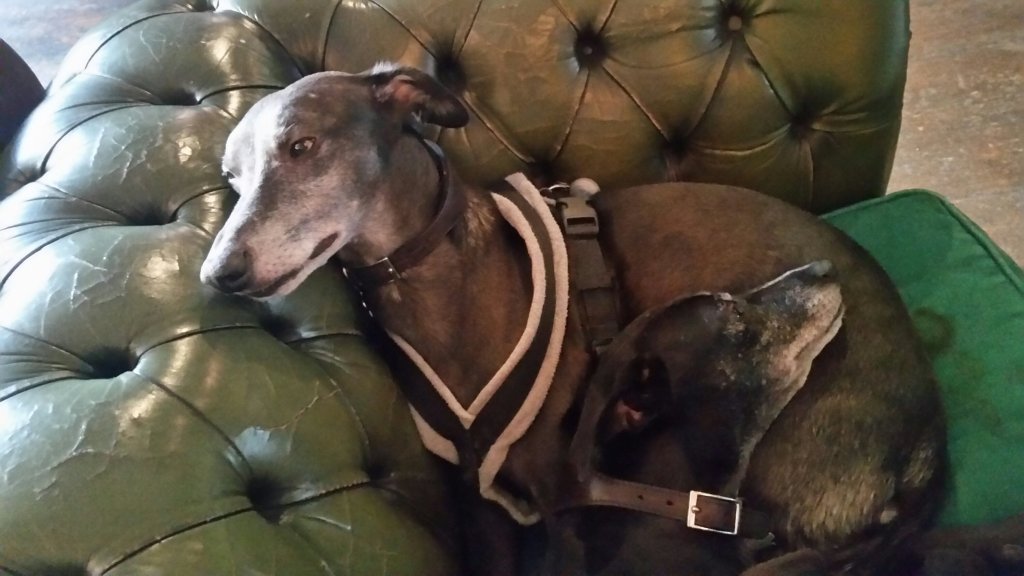
Research indicates that many autistic individuals have a strong affinity for animals, often displaying a natural ability to communicate and bond with them This connection is rooted in the non-judgmental companionship and honesty that animals provide, which can offer comfort and routine to those on the autism spectrum While not every autistic person feels this way, a significant number find solace and companionship in animals
Studies have shown that autistic people often prefer interactions with animals over humans, and that 80% of autistic children have participated in pet therapy This preference can be attributed to the predictable demeanor and movements of animals, which can be comforting for those who find social interactions challenging
The human-animal bond can confer many health benefits for children on the autism spectrum, including reducing loneliness and providing needed companionship Companion animals are often cited for their fundamentally nonjudgmental nature and unconditional love, which can foster profound and meaningful relationships.
The connection between autism and animals is a well-documented and multifaceted topic. Many autistic individuals exhibit a strong affinity for animals, which can provide significant benefits in terms of emotional well-being, social interaction, and overall quality of life. This relationship is rooted in the unique ways in which animals can offer non-judgmental companionship, predictability, and a sense of comfort and routine.
Emotional and Social Benefits
Non-Judgmental Companionship
One of the primary reasons autistic individuals often feel a deep connection with animals is the non-judgmental nature of these relationships. Animals do not critique or judge their human companions, which can be particularly comforting for those who may struggle with social interactions and face social isolation and loneliness This sense of unconditional love and acceptance can significantly reduce stress and anxiety, promoting emotional regulation and overall well-being.
Predictability and Routine
Animals, especially domesticated ones like dogs and cats, tend to have predictable behaviors and routines. This predictability can be very reassuring for autistic individuals, who often thrive on structure and routine. The consistent presence and behavior of a pet can provide a sense of security and stability, which is crucial for emotional comfort
Communication and Social Skills
Many autistic individuals find it easier to communicate with animals than with humans. Animals do not rely on verbal communication, which can be a significant barrier for those who are still developing or have challenges with language skills. The non-verbal communication and tactile interactions with animals can help autistic individuals practice and improve their social skills in a low-pressure environment
Therapeutic Benefits
Animal-Assisted Therapy
Animal-assisted therapy (AAT) is a widely recognized and effective intervention for individuals with autism. AAT can help improve communication, sensory development, and social interaction. For example, activities like riding llamas or interacting with therapy dogs can open doors to new forms of communication and sensory experiences
Emotional Regulation
The presence of a pet can help regulate emotions and reduce anxiety. The calming effect of petting an animal, the routine of caring for a pet, and the companionship provided by animals can all contribute to better emotional regulation and a sense of well-being
Research and Studies
Quantitative and Qualitative Studies
A mixed-methods study by Atherton et al. (2022) found that autistic adults were equally attached to their pets as neurotypicals but were less likely to own them. Despite this, pet ownership was associated with better mental health outcomes. The study also highlighted that substituting pets for people served as a compensatory mechanism for social contact in the autistic sample
Social Alternatives
Another study by Barcelos et al. (2021) explored the impact of dog ownership on autistic adults and found that pets can serve as a social alternative, providing a sense of meaning and purpose. Pets can also help autistic individuals practice and hone social skills, such as reading body language and understanding social norms .
Barriers and Breakthroughs
Logistical and Mental Barriers
While the benefits of pet ownership are clear, there are also barriers that can make it challenging for autistic individuals to own pets. Logistical barriers, such as the responsibility of caring for a pet, and mental barriers, such as anxiety or sensory sensitivities, can be significant obstacles. However, many autistic individuals find that the benefits outweigh these challenges, and taking the plunge into pet ownership can be a rewarding experience
Responsibility and Growth
Owning a pet can also provide a sense of responsibility and structure, which can be beneficial for personal growth and development. The routine of caring for a pet can help build skills and confidence, contributing to a sense of purpose and achievement
Personal Experiences
Individual Differences
It’s important to note that not every autistic person feels a strong connection to animals. Each individual is unique, and their experiences and preferences can vary widely. However, for those who do feel a deep connection, the relationship with animals can be profoundly enriching and meaningful
Summary Table
| Aspect | Description | References |
|---|---|---|
| Non-Judgmental Companionship | Animals provide unconditional love and acceptance, reducing stress and anxiety. | |
| Predictability and Routine | Animals have predictable behaviors, offering a sense of security and stability. | |
| Communication and Social Skills | Non-verbal interactions with animals help practice and improve social skills. | |
| Animal-Assisted Therapy | AAT improves communication, sensory development, and social interaction. | |
| Emotional Regulation | Pets help regulate emotions and reduce anxiety. | |
| Quantitative and Qualitative Studies | Autistic adults are equally attached to pets but less likely to own them; pet ownership improves mental health. | |
| Social Alternatives | Pets provide meaning, purpose, and practice for social skills. | |
| Barriers and Breakthroughs | Logistical and mental barriers exist, but the benefits often outweigh the challenges. | |
| Responsibility and Growth | Caring for a pet builds skills and confidence. | |
| Personal Experiences | Not all autistic individuals feel a strong connection to animals, but for those who do, the relationship is profoundly enriching. |
This comprehensive overview highlights the various ways in which the relationship between autism and animals can be beneficial, supported by both personal experiences and scientific research.
While the provided context does not directly address research on animal support for Highly Sensitive People (HSP) and individuals with Autism Spectrum Condition (ASC), it does offer insights into the characteristics and needs of these groups, which can inform the potential benefits of animal support.
Highly Sensitive People (HSP)
HSPs are characterized by heightened sensitivity to physical, emotional, and social stimuli. They often experience intense emotional responses and a deep awareness of their surroundings. This sensitivity can lead to feelings of overwhelm and fatigue, especially in noisy or crowded environments. HSPs may benefit from the calming and grounding presence of animals, which can help reduce stress and provide emotional support.
Autism Spectrum Condition (ASC)
ASC is a neurodevelopmental condition characterized by challenges in social interaction, communication, and repetitive behaviors. Individuals with ASC may also experience sensory sensitivities, such as being highly bothered by certain textures or sounds. Animal support can be particularly beneficial for individuals with ASC, as it can help improve social skills, reduce anxiety, and provide a source of comfort and companionship.
Potential Benefits of Animal Support
- Emotional Regulation: Both HSPs and individuals with ASC can benefit from the emotional regulation provided by animals. The presence of a pet can help reduce stress and anxiety, which are common challenges for these groups.
- Social Interaction: For individuals with ASC, animals can serve as a bridge to social interaction. Engaging with a pet can help them develop social skills and feel more comfortable in social settings.
- Sensory Stimulation: Animals can provide a form of sensory stimulation that is often calming and soothing. For HSPs, the gentle touch and presence of an animal can help them manage sensory overload.
- Routine and Structure: Many individuals with ASC thrive on routine and structure. Caring for a pet can provide a sense of routine and responsibility, which can be beneficial for their overall well-being.
Research and Studies
While the context does not provide specific studies on animal support for HSPs and individuals with ASC, there is a growing body of research in this area. Studies have shown that animal-assisted therapy can be effective in reducing anxiety, improving social skills, and enhancing overall quality of life for individuals with ASC Similar benefits are likely to be observed for HSPs, although more research is needed to confirm this.
Conclusion
Both HSPs and individuals with ASC can benefit from the presence and support of animals. The calming and grounding effects of animals can help manage stress and sensory overload, improve social skills, and provide a sense of routine and structure. While more research is needed to fully understand the specific benefits for HSPs, the existing literature on animal support for individuals with ASC is promising and suggests that animal-assisted therapy could be a valuable resource for both groups.
Discover more from Identropy
Subscribe to get the latest posts sent to your email.
 Identropy