
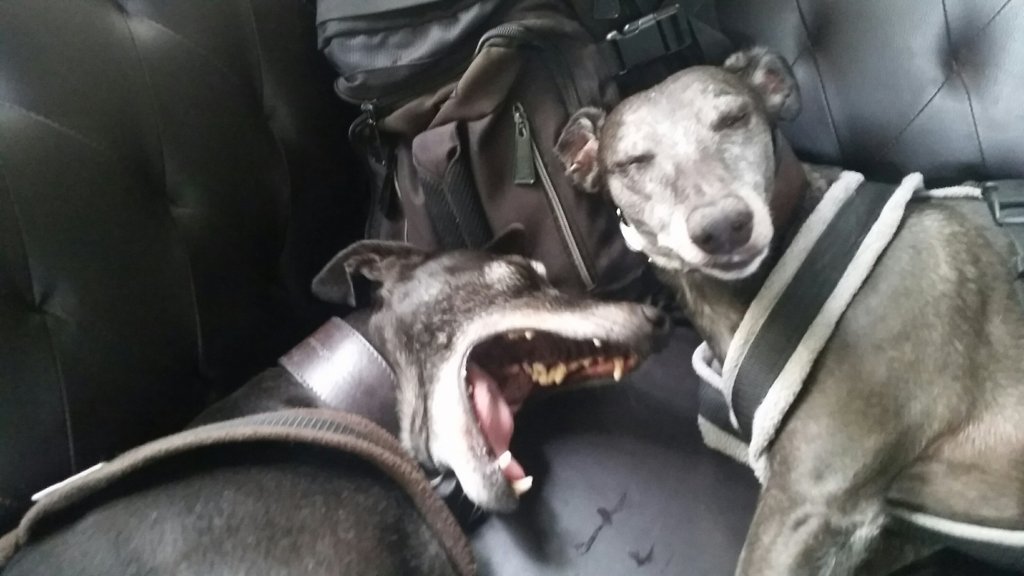
It can be very difficult for animals to communicate with humans, too often signs are not understood or remedied in the best interest of animal and human alike.
Separation anxiety in pets can significantly affect both the animal and its owner. For dog owners, it’s crucial to recognize the signs of separation anxiety, which include destructive behaviour, excessive vocalization, and signs of distress like shaking, shivering, and salivation Owners should also be aware that punishment is not effective and can exacerbate the issue
To manage separation anxiety, owners can take several steps:
- Ensure the dog gets regular physical and mental stimulation, such as walks, playtime, and interactive toys
- Create a consistent daily routine to provide a sense of security
- Form positive associations with departure cues by not immediately leaving after completing actions like putting on shoes or picking up keys
- Provide the dog with long-lasting treats or toys when you leave, which can help keep them occupied and calm
- Avoid making a fuss over departures and arrivals to reduce the dog’s anxiety
- Seek professional help from a behaviorist or trainer if the problem persists
For owners who experience anxiety when separated from their pets, it’s important to understand that this is a recognized phenomenon. People who are highly attached to their pets and have limited friendships may experience pet-related separation anxiety This can be managed by ensuring the pet is comfortable and secure when alone and by seeking support from friends or family when necessary.
In both cases, professional guidance can be invaluable in addressing and managing separation anxiety effectively
Separation anxiety in dogs is a common and distressing condition that affects both the dog and its owner. Understanding the signs, causes, and management strategies can help animal lovers provide the best care for their pets. Here is a comprehensive guide to separation anxiety in dogs, including preventive measures, treatment options, and practical tips.
Understanding Separation Anxiety
Signs of Separation Anxiety
Dogs with separation anxiety often exhibit a range of behaviors when left alone. These behaviors can include:
- Destructive Behavior: Chewing furniture, scratching doors, or tearing up household items.
- Excessive Vocalization: Barking, howling, or whining.
- Inappropriate Elimination: Urinating or defecating inside the house.
- Restlessness: Pacing, panting, or shaking.
- Salivation: Excessive drooling.
- Withdrawal: Becoming quiet or unresponsive.
These behaviors typically occur within a few minutes of the owner’s departure and may intensify as the dog anticipates the owner’s return
Causes of Separation Anxiety
Separation anxiety can be triggered by various factors, including:
- Lack of Socialization: Dogs that do not receive adequate socialization during the critical period (5-10 months) are more prone to separation anxiety
- Previous Trauma: Dogs that have experienced abandonment, abuse, or other traumatic events may develop separation anxiety
- Changes in Routine: Significant changes in the household, such as a new job, moving to a new home, or the addition or removal of a family member, can trigger anxiety
- Genetic Predisposition: Male dogs are more frequently found to exhibit separation anxiety, though this is not universally agreed upon
- Attachment to Owners: Dogs that are highly attached to their owners may experience anxiety when left alone
Preventive Measures
Early Socialization
- Expose Puppies to Various Environments: Introduce puppies to different people, places, and experiences to build confidence and reduce anxiety
- Gradual Separation Training: Start with short periods of separation and gradually increase the duration to help puppies become comfortable being alone
Routine and Structure
- Consistent Daily Schedule: Establish a predictable routine for feeding, exercise, and playtime to provide a sense of security
- Positive Departure Cues: Form positive associations with departure cues (e.g., putting on shoes, picking up keys) by not leaving immediately after these actions
Mental and Physical Stimulation
- Regular Exercise: Engage your dog in regular physical activities to burn off excess energy
- Interactive Toys: Provide puzzle toys or treat-dispensing toys to keep your dog mentally engaged
- Training Sessions: Incorporate training sessions into your daily routine to strengthen the bond and keep your dog mentally stimulated
Management and Treatment
Behavior Modification
- Systematic Desensitization: Gradually expose your dog to being alone, starting with short periods and gradually increasing the duration
- Counterconditioning: Teach your dog to associate being alone with positive experiences, such as receiving treats or toys
Medication
- Consult a Veterinarian: In severe cases, medication may be necessary. Fluoxetine and clomipramine are commonly prescribed to help manage anxiety
- Behavioral Consultation: A board-certified veterinary behaviorist can provide a personalized treatment plan
Environmental Enrichment
- Safe Confinement: Use a crate or a designated safe area to prevent destructive behavior
- Comfort Items: Leave items that carry your scent, such as a worn t-shirt, to provide comfort
- Background Noise: Play calming music or leave the TV on to create a soothing environment
Professional Help
- Veterinary Consultation: If your dog’s separation anxiety is severe or persistent, consult a veterinarian to rule out underlying medical conditions
- Behavioral Counseling: Seek the help of a professional animal behaviorist for a comprehensive evaluation and treatment plan
Long-Term Management
- Continuous Training: Reinforce positive behaviors and continue training to prevent relapse
- Support Network: Join support groups or online communities for additional resources and advice
Summary Table
| Aspect | Details |
|---|---|
| Signs | Destructive behavior, excessive vocalization, inappropriate elimination, restlessness, salivation, withdrawal |
| Causes | Lack of socialization, previous trauma, changes in routine, genetic predisposition, attachment to owners |
| Preventive Measures | Early socialization, gradual separation training, consistent daily schedule, positive departure cues, regular exercise, interactive toys, training sessions |
| Management and Treatment | Behavior modification (systematic desensitization, counterconditioning), medication, environmental enrichment (safe confinement, comfort items, background noise) |
| Professional Help | Veterinary consultation, behavioral counseling |
| Long-Term Management | Continuous training, support network |
Best Friend Separation Anxiety
By understanding and addressing the signs, causes, and management strategies for separation anxiety, animal lovers can help their dogs lead happier, healthier lives.
When pet owners separate, deciding on joint custody of a pet can be a challenging and emotional process. Here are some key points and advice to consider:
- Legal Considerations: In most jurisdictions, pets are legally considered property, not living beings with rights. This means that courts typically do not have the authority to order shared custody or visitation rights for pets. However, some states in the U.S., such as California, Illinois, Alaska, and New York, have more progressive laws that allow judges to consider the pet’s best interests when making custody decisions
- Mutual Agreement: The best way to handle pet custody is to reach a mutual agreement outside of court. Sit down with your ex-partner and discuss what arrangements would be best for your pet. Consider factors such as who has been the primary caretaker, who can provide the best living environment, and who has the financial stability to care for the pet
- Pet Custody Agreement: Draft a pet custody agreement that outlines the terms of shared ownership. This agreement should include details such as:
- Custody Schedule: Establish a consistent schedule for when each person will have the pet. Longer periods of custody (weeks or months) can help the pet adjust to each home
- Responsibilities: Clearly define who is responsible for feeding, grooming, vet visits, and other care needs. Dividing these responsibilities can help ensure the pet receives consistent care
- Costs: Agree on how to split the costs of pet care, including food, vet bills, and grooming
- Emergency Plans: Have a backup plan in case one person is unable to care for the pet at the agreed-upon time, such as a designated pet-sitter
- Behavioral Considerations: Pets can be sensitive to changes in their environment and routine. Be proactive in managing stress by providing plenty of exercise, mental stimulation, and familiar routines. Avoid starting new training programs during this period, as it can be overwhelming for the pet
- Mediation: If you and your ex-partner are struggling to reach an agreement, consider mediation. A neutral third party can help facilitate discussions and find a fair solution for both parties and the pet
- Legal Action: If a mutual agreement cannot be reached, you may need to seek legal advice. Courts will consider evidence of ownership, such as adoption papers, vet records, and microchip registration. In some jurisdictions, the court may also consider the pet’s well-being and the best interests of the animal
- Emotional Well-being: Remember that the goal is to do what is best for your pet. While it can be difficult to let go of a beloved companion, prioritizing the pet’s emotional and physical well-being should guide your decisions
By following these guidelines, you can create a fair and loving arrangement that ensures your pet continues to receive the care and attention they need during and after the separation.
Discover more from Identropy
Subscribe to get the latest posts sent to your email.
 Identropy