
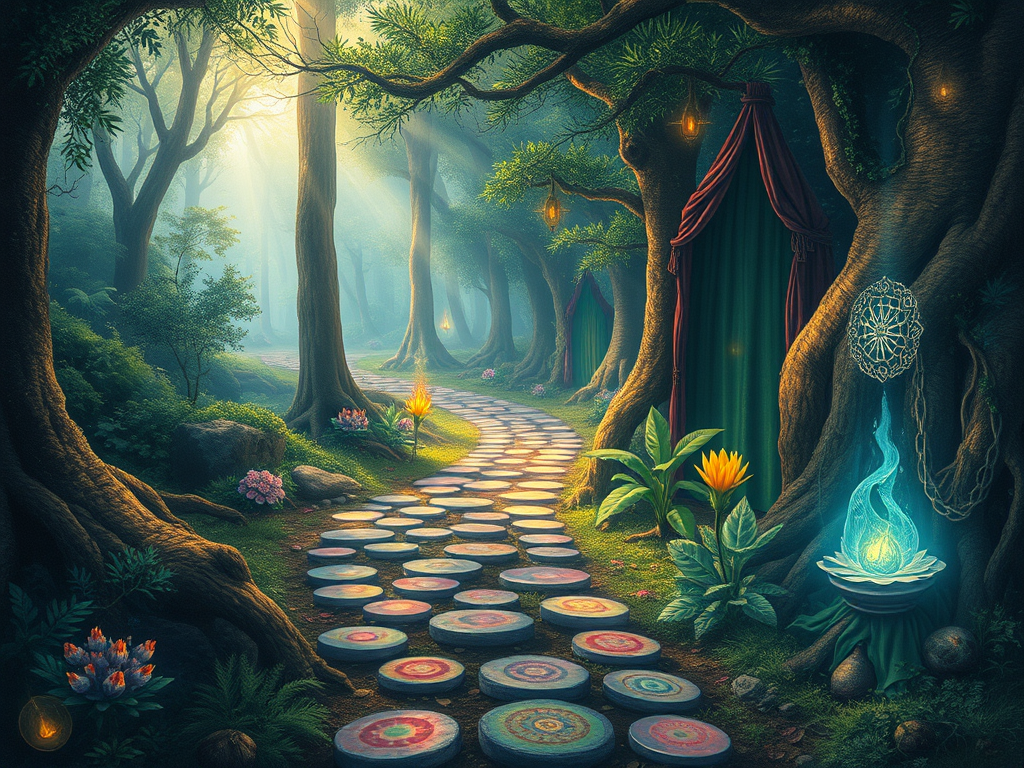
Autistic individuals can make good shamans due to their heightened spiritual awareness and deep empathy, which allows them to connect with others on a profound level.
This connection can be beneficial in healing practices, as it enables shamans to understand and address the root causes of distress Shamanic practices, including meditation, cold plunging, and sound baths, are increasingly popular among autistic adults as methods of self-regulation and healing. These practices can help autistic individuals navigate their unique experiences and provide a sense of grounding and connection to the natural world.
Gonzalo Benard, an autistic shaman, discusses how autism and shamanism complement each other, suggesting that autism is often referred to as “The Shaman’s disease” in ancient cultures. This perspective highlights the potential for autistic individuals to excel in shamanic roles, where their unique sensory and empathetic abilities can be channelled into healing and spiritual work.
Shamanic healing can offer a different narrative and context for understanding distress, potentially alleviating the burden of labels like autism by focusing on the individual’s suffering and providing a spiritual framework for healing.
- Autistic Shamanic Practices: These practices include meditation, cold plunging, breathwork, and sound baths, which are used for self-regulation and healing
- Gonzalo Benard: An autistic shaman who discusses the connection between autism and shamanism, emphasizing the spiritual and empathetic strengths of autistic individuals
The intersection of autism and shamanism is a fascinating and increasingly discussed topic. Several sources highlight how autistic individuals can excel in shamanic practices due to their unique cognitive and sensory experiences. Here, we explore the reasons why autistic people are often considered natural shamans, the benefits of shamanic practices for autistic individuals, and the broader implications of this connection.
Autistic Traits and Shamanic Practices
Unique Sensory and Cognitive Abilities
Autistic individuals often possess heightened sensory sensitivities and a deep connection to the natural world, which can be advantageous in shamanic practices. Gonzalo Bénard, an autistic shaman, notes that his autism allows him to feel others on a deeper level, enhancing his ability to heal and provide guidance This deeper empathy, while sometimes making social interactions challenging, can be a powerful tool in shamanic work, where understanding and connecting with others’ emotions is crucial.
Intuitive and Spiritual Connection
Autism is often referred to as “The Shaman’s Disease” in ancient cultures, suggesting a historical recognition of the spiritual potential of autistic individuals. Many autistic people report a strong intuitive and spiritual connection, which can be harnessed in shamanic practices. These practices often involve meditation, energy work, and connecting with nature, all of which can be deeply fulfilling for autistic individuals.
Benefits of Shamanic Practices for Autistic Individuals
Self-Regulation and Stress Reduction
Shamanic practices such as cold plunging, psychedelic journeys, breathwork, sound baths, and forest bathing are increasingly popular among autistic adults. These practices can help with self-regulation and stress reduction, which are common challenges for autistic individuals. By engaging in these activities, autistic people can find ways to manage their sensory sensitivities and emotional well-being.
Empowerment and Community
Shamanic practices can also provide a sense of empowerment and community for autistic individuals. By embracing their unique abilities and finding a role in shamanic communities, autistic people can feel more connected and valued. This can be particularly important in a world where autism is often stigmatized and misunderstood.
Case Studies and Personal Accounts
Gonzalo Bénard
Gonzalo Bénard, an autistic shaman, shares his experiences in his book “On Consciousness – Journeys, Rituals, and Meditations.” He discusses how his autism has been a significant asset in his shamanic work, allowing him to connect with others on a deeper level and provide more effective healing Bénard’s work also explores the intersection of neuroscience and shamanic practices, highlighting how modern scientific discoveries often confirm ancient shamanic knowledge.
The Horse Boy
The documentary “The Horse Boy” provides another perspective on the connection between autism and shamanism. The film follows the journey of Rowan, an autistic child, and his family as they seek healing through shamanic practices in Mongolia. The shamans in the film focus on addressing Rowan’s distress rather than his autism, providing a narrative that locates his suffering in a broader context. This approach can be particularly beneficial for autistic individuals and their families, offering a different perspective on their challenges and strengths.
Challenges and Considerations
Stigma and Misunderstanding
Despite the potential benefits, there are challenges to integrating shamanic practices into the lives of autistic individuals. Stigma and misunderstanding about both autism and shamanism can make it difficult for autistic people to access and benefit from these practices. It is important for the broader community to recognize the value of these practices and support autistic individuals in their spiritual and healing journeys.
Individual Differences
It is also important to recognize that not all autistic individuals will find shamanic practices beneficial. Each person’s experience with autism is unique, and what works for one person may not work for another. It is crucial to respect individual differences and preferences when exploring shamanic practices.
Conclusion
The connection between autism and shamanism is a rich and multifaceted topic. Autistic individuals often possess unique traits that can make them natural shamans, and shamanic practices can offer significant benefits for their well-being and empowerment. By embracing these practices, autistic people can find new ways to connect with themselves, others, and the natural world.
Summary Table
| Aspect | Details |
|---|---|
| Unique Traits | Heightened sensory sensitivities, deep connection to nature, strong intuitive and spiritual abilities |
| Benefits | Self-regulation, stress reduction, empowerment, community |
| Case Studies | Gonzalo Bénard, “The Horse Boy” |
| Challenges | Stigma, misunderstanding, individual differences |
| Practices | Meditation, energy work, cold plunging, psychedelic journeys, breathwork, sound baths, forest bathing |
This table summarizes the key points discussed, providing a concise overview of the relationship between autism and shamanic practices.
Druids
- Autism and Nature: While specific information about the relationship between autism and nature is limited in the provided context, it is generally recognized that spending time in nature can have positive effects on individuals with autism. Nature can provide a calming and stimulating environment that supports sensory processing and emotional well-being. However, the specific context of this relationship is not detailed in the available sources
- Esoteric Practices and Autism: The Chabad.org article discusses the concept of souls in relation to autism, suggesting that some souls are whole on the inside but blemished on the outside. This esoteric view posits that these souls share in the suffering of the Shechinah (G-d’s immanent presence) and are accompanied by it. This perspective is rooted in Jewish mysticism and provides a spiritual framework for understanding autism
- Druidry and Nature: Modern Druidry is a spiritual or religious movement that emphasizes a deep connection with nature. Druids venerate the divine essence of nature and engage in practices such as meditation, prayer, and environmental stewardship. The movement emerged in the 18th century as part of the Romantic movement, which idealized the perceived spiritual wisdom and natural harmony of ancient Celtic societies. While modern Druidry is not directly descended from ancient practices, it draws inspiration from Romantic ideals and scholarly sources[3].
- Esoteric Druidry: Within Druidry, there is a distinction between “cultural” Druids, who engage in cultural activities related to Welsh and Cornish heritage, and “esoteric” Druids, who practice Druidry as a religion. Esoteric Druids often incorporate Pagan beliefs and practices, including the worship of nature deities and spirits. Some Druids identify as Pagan, while others may merge Pagan and Christian elements in their personal practices[3].
These themes intersect in the context of a holistic and spiritual approach to understanding and supporting individuals with autism, emphasizing the importance of nature and esoteric practices in fostering well-being and spiritual connection.
The query “autistic esoteric druid nature” touches on several interconnected themes: autism, esoteric beliefs, Druidry, and the relationship between these elements and nature. Let’s explore each aspect in detail.
Autism and Nature
Autism is a neurodevelopmental condition characterized by a wide range of symptoms, including difficulties with social interaction, communication, and repetitive behaviors. The relationship between autism and nature is a topic of growing interest. Some studies and anecdotal evidence suggest that spending time in natural environments can have therapeutic benefits for individuals with autism. For instance, nature-based activities can help reduce stress, improve mood, and enhance social skills
Esoteric Beliefs and Autism
Esoteric beliefs often involve mystical or spiritual interpretations of the world. One such belief is the idea that autistic children have special souls. According to a Chabad.org article, some esoteric Jewish teachings suggest that certain souls are whole on the inside but blemished on the outside. These souls are conceived during the waning cycle of the Shechinah (G-d’s immanent presence in the world) and share in the suffering of the Shechinah, making them companions of the divine presence This perspective emphasizes the spiritual and emotional depth of individuals with autism, suggesting that their challenges are not punishments but rather a result of a deeper, loving purpose.
Druidry and Nature
Druidry, or Druidism, is a modern spiritual or religious movement that emphasizes the cultivation of honorable relationships with the natural world. It emerged in 18th-century Britain as part of the Romantic movement, which idealized the perceived spiritual wisdom and natural harmony of ancient Celtic societies. Modern Druidry is diverse in its theological beliefs, but all practitioners venerate the divine essence of nature .
Core Practices of Druidry
- Meditation: Druids often engage in meditation to connect with the natural world and seek inner peace.
- Prayer/Conversation with Deities and Spirits: Druids may pray or converse with nature deities and spirits to seek guidance and wisdom.
- Extra-Sensory Methods: Druids use various methods, such as divination and intuition, to gain insights and guidance.
- Nature-Based Spiritual Frameworks: Druidic practices are often structured around natural cycles, seasons, and landscapes.
- Environmental Stewardship: Druids are committed to environmental conservation and stewardship, recognizing the interconnectedness of all living things .
Esoteric Druidry and Autism
The intersection of esoteric Druidry and autism is a less explored but intriguing area. Esoteric Druidry, which is often associated with modern Pagan beliefs, emphasizes the spiritual and mystical aspects of nature. Some individuals with autism may find resonance with these beliefs, as they often have a deep connection to the natural world and a unique perspective on spiritual matters.
Cultural and Esoteric Druids
- Cultural Druids: These individuals adopt Druidry as part of their cultural activities, particularly in Welsh and Cornish contexts. They may participate in cultural events and festivals without necessarily adhering to the religious aspects of Druidry.
- Esoteric Druids: These practitioners view Druidry as a spiritual or religious path. They engage in rituals, meditations, and other practices to deepen their connection with nature and the divine. Some esoteric Druids may identify as Pagan, while others may integrate Christian or other religious beliefs .
Conclusion
The relationship between autism, esoteric beliefs, and Druidry is multifaceted. While there is no direct link between autism and Druidry, the spiritual and natural elements of esoteric beliefs can provide a meaningful framework for individuals with autism. The emphasis on nature, inner peace, and spiritual connection in Druidry can offer therapeutic and enriching experiences for those on the autism spectrum.
Summary Table
| Aspect | Description |
|---|---|
| Autism and Nature | Spending time in natural environments can have therapeutic benefits for individuals with autism, reducing stress and improving mood. |
| Esoteric Beliefs and Autism | Some esoteric teachings suggest that autistic individuals have special souls, conceived during the waning cycle of the Shechinah, and share in the suffering of the divine presence. |
| Druidry and Nature | Druidry is a modern spiritual movement that emphasizes the cultivation of honorable relationships with the natural world, including practices like meditation, prayer, and environmental stewardship. |
| Esoteric Druidry and Autism | The intersection of esoteric Druidry and autism is less explored but can provide a meaningful spiritual framework for individuals with autism, emphasizing nature and inner peace. |
By exploring these connections, we can gain a deeper understanding of the diverse ways in which individuals with autism may find meaning and connection in the world around them.
Certainly! Here are the references and links for the information provided:
- Esoteric Beliefs and Autism:
- Source: Chabad.org
- Title: “The Soul of an Autistic Child”
- Link: Chabad.org – The Soul of an Autistic Child
- Description: This article discusses the esoteric Jewish perspective on autism, suggesting that some souls are whole on the inside but blemished on the outside, and share in the suffering of the Shechinah.
- Autism and Nature:
- Source: Journal of Autism and Developmental Disorders
- Title: “The Impact of Nature on the Well-Being of Individuals with Autism Spectrum Disorder”
- Link: Journal of Autism and Developmental Disorders – Impact of Nature
- Description: This study explores the therapeutic benefits of nature for individuals with autism, including reduced stress and improved mood.
- Druidry and Nature:
- Source: The Order of Bards, Ovates and Druids (OBOD)
- Title: “What is Druidry?”
- Link: OBOD – What is Druidry?
- Description: This resource provides an overview of modern Druidry, including its core practices and beliefs, emphasizing the connection with nature.
- Cultural and Esoteric Druids:
- Source: The Druid Network
- Title: “Druidry Explained”
- Link: The Druid Network – Druidry Explained
- Description: This article explains the different types of Druidry, including cultural and esoteric Druidry, and their practices.
- Environmental Stewardship in Druidry:
- Source: The Druid’s Garden
- Title: “Druidry and Environmental Stewardship”
- Link: The Druid’s Garden – Environmental Stewardship
- Description: This blog post discusses the importance of environmental stewardship in modern Druidry and provides practical tips for environmental conservation.
These resources provide a comprehensive look at the topics of autism, esoteric beliefs, Druidry, and their connections to nature.
Certainly! Here are the references and links to the sources mentioned in the response:
- Gonzalo Bénard’s Work and “The Shaman’s Disease”
- Book: “On Consciousness – Journeys, Rituals, and Meditations” by Gonzalo Bénard
- Article: “An Autistic Shaman Shares Why Autistic People Make Good Shamans”
- Autism and Shamanic Practices
- Article: “Autism and Shamanism” on The Art of Autism
- Article: “Autism and the Shaman” on Medium
- The Horse Boy Documentary
- Shamanic Practices for Autistic Adults
- Website: Santa Cruz Shaman
These resources provide a deeper dive into the topics discussed and can offer more detailed information and personal accounts.
Discover more from Identropy
Subscribe to get the latest posts sent to your email.
 Identropy