
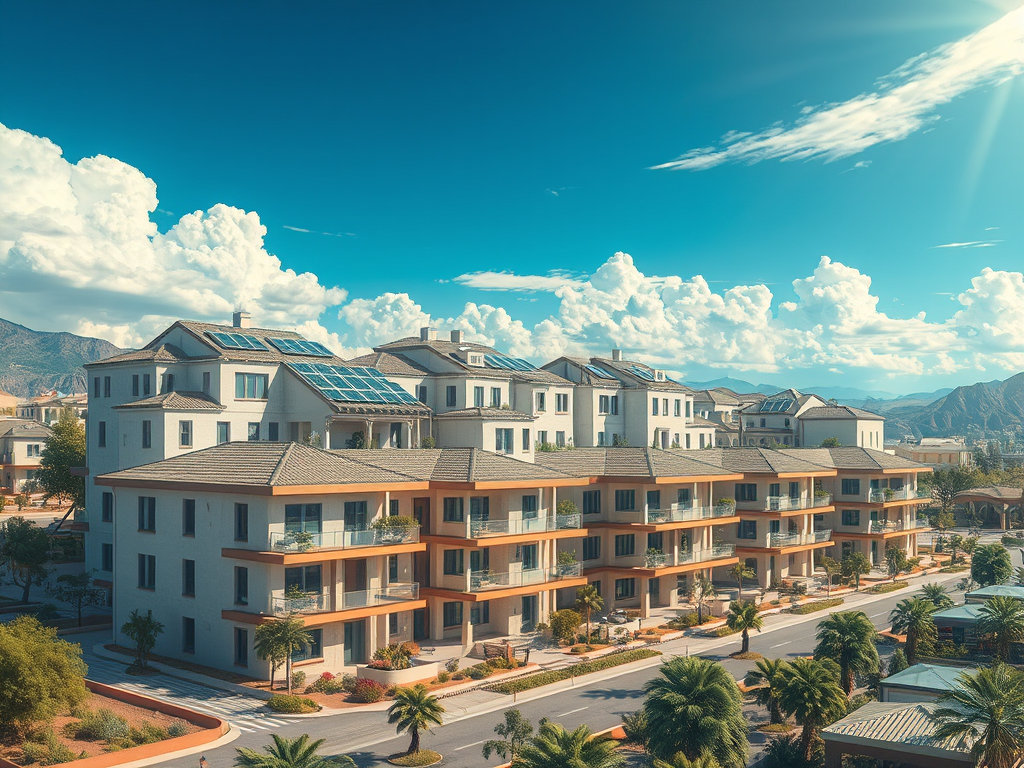
The Phoenix project in Lewes, UK, is a groundbreaking sustainable neighborhood that has gained significant attention for its eco-friendly design and construction.
The project, developed by Human Nature, a campaigning development company founded by former Greenpeace directors Michael Manolson and Jonathan Smales, aims to set a new benchmark in urban planning and sustainable living.
Here is a detailed overview of the project, its eco-friendly features, and the council’s strategy for 2025.
Overview of the Phoenix Project
The Phoenix project is a mixed-use neighborhood located on a 7.9-hectare brownfield site in Lewes, East Sussex. The site is situated next to the River Ouse and includes flood defenses and a site-long river walk. The development is designed to be a walkable, multi-use neighborhood that prioritizes people over cars, with a strong focus on sustainability and community well-being.
Key Features and Sustainability Goals
- Energy Efficiency and Renewable Energy:
- The homes in the Phoenix development are designed to be energy-efficient and will be powered by renewable energy sourced from on-site photovoltaic panels and an off-site renewable energy facility. The project aims to achieve an 80% reduction in resident energy bills.
- The buildings will be constructed using cross-laminated timber (CLT) and other engineered timber structures, which are known for their low carbon footprint and sustainability.
- Affordable Housing:
- The development will provide 685 homes, with 30% designated as affordable housing. This includes 154 homes at local housing allowance level and 51 as First Homes. The project aims to provide a mix of housing options to cater to a range of income brackets.
- Community and Social Impact:
- The Phoenix will include a community canteen that will provide locally sourced and affordable meals to residents and the wider community. The canteen will also serve as a hub for food growing, education, and healthy eating.
- The development will feature public squares, gardens, community buildings, and a riverside pathway, promoting social interaction and community engagement.
- A new health center will be established to address health issues through social prescribing and prevention, with opportunities to trial new approaches to tackling obesity and diet-related diseases.
- Sustainable Mobility:
- The neighborhood is designed to be walkable, with a mobility hub providing electric car shares, car hire, electric bike services, and shuttle buses. This encourages a shift away from private vehicle use and promotes sustainable transportation options.
- Environmental Stewardship:
- The project includes on-site recycling, waste management schemes, and composting facilities. An urban farming and community gardening strategy will be implemented to enhance biodiversity and promote sustainable living.
- The buildings will be constructed using local timber and biomaterials, including hemp, and will incorporate salvaged materials from the industrial site, such as steel trusses and bricks.
Council Strategy and Planning Approval
The Phoenix project received planning approval from the South Downs National Park planning committee on February 15, 2024. The approval was subject to section 106 agreements and the resolution of issues with National Highways. The project aligns with the council’s broader sustainability goals and strategies for 2025, which include:
- Water Stewardship:
- The city of Phoenix (in Arizona) has been proactive in building the necessary infrastructure and systems to provide a clean and reliable supply of water. While this is not directly related to the Phoenix project in Lewes, it highlights the importance of water management in sustainable urban planning.
- Transportation:
- The Phoenix project in Lewes emphasizes sustainable transportation options, which align with the city of Phoenix’s goals to reduce single-occupancy vehicle commute trips through programs like 100% subsidized bus cards, on-site bike racks, and carpool parking incentives.
- Waste Management:
- The project includes comprehensive waste management and recycling schemes, which are in line with the city of Phoenix’s efforts to achieve zero waste and reduce greenhouse gas emissions.
- Building and Land Use:
- The use of sustainable materials and energy-efficient design in the Phoenix project reflects the city of Phoenix’s commitment to green building practices and energy efficiency in municipal facilities.
- Community and Social Impact:
- The inclusion of community spaces, health centers, and affordable housing in the Phoenix project aligns with the city of Phoenix’s goals to create inclusive and equitable communities.
Conclusion
The Phoenix project in Lewes is a pioneering example of sustainable urban development. Its eco-friendly design, focus on community well-being, and alignment with broader sustainability goals make it a model for future sustainable neighborhoods. The project’s approval and the council’s strategic support underscore the commitment to creating a more sustainable and resilient future.
Summary Table
| Aspect | Details |
|---|---|
| Location | Lewes, East Sussex, UK |
| Developer | Human Nature, founded by Michael Manolson and Jonathan Smales |
| Site Size | 7.9 hectares |
| Housing | 685 homes, 30% affordable (154 at local housing allowance, 51 as First Homes) |
| Construction | Cross-laminated timber (CLT) and engineered timber structures |
| Energy | On-site photovoltaic panels, off-site renewable energy facility, 80% reduction in energy bills |
| Mobility | Walkable design, mobility hub with electric car shares, bike services, and shuttle buses |
| Community | Community canteen, public squares, gardens, health center |
| Environmental | On-site recycling, waste management, composting, urban farming |
| Planning Approval | February 15, 2024, subject to section 106 agreements and National Highways issues |
| Council Strategy | Aligns with sustainability goals in water stewardship, transportation, waste management, building and land use, and community impact |
The Phoenix project in Lewes, a sustainable neighborhood development on a former industrial site, has an estimated total cost of £300 million for the entire project, which includes the construction of up to 700 homes, flood defenses, and other infrastructure
Regarding the cost of accommodation, particularly for small flats, the project aims to provide a mix of housing types to meet the genuine housing needs of Lewes. Specifically, the development will include:
- One-bedroom flats: 37% of the total homes, with 53 of these designated as First Homes, which must be discounted by at least 30% against the market value and sold to first-time buyers for a maximum price of £250,000
- Two-bedroom flats: 33% of the total homes, with some of these also designated as affordable rent units
The project also includes a significant affordable housing component, with up to 210 affordable homes, or 30% of the total number, designated as either First Homes or affordable rent (including 92 Lewes Low-Cost Housing units). These affordable homes are designed to be affordable on the average Lewes salary, with rents not exceeding the Local Housing Allowance.
Additionally, the energy-efficient design of the homes, powered by a data-led renewable energy grid, is expected to result in lower utility bills for residents, with heating bills up to 80% lower than in traditional developments.
 Identropy